Top 5 Mistakes Theme Parks Are Making With Guest Photos — And How AI Is Fixing Them
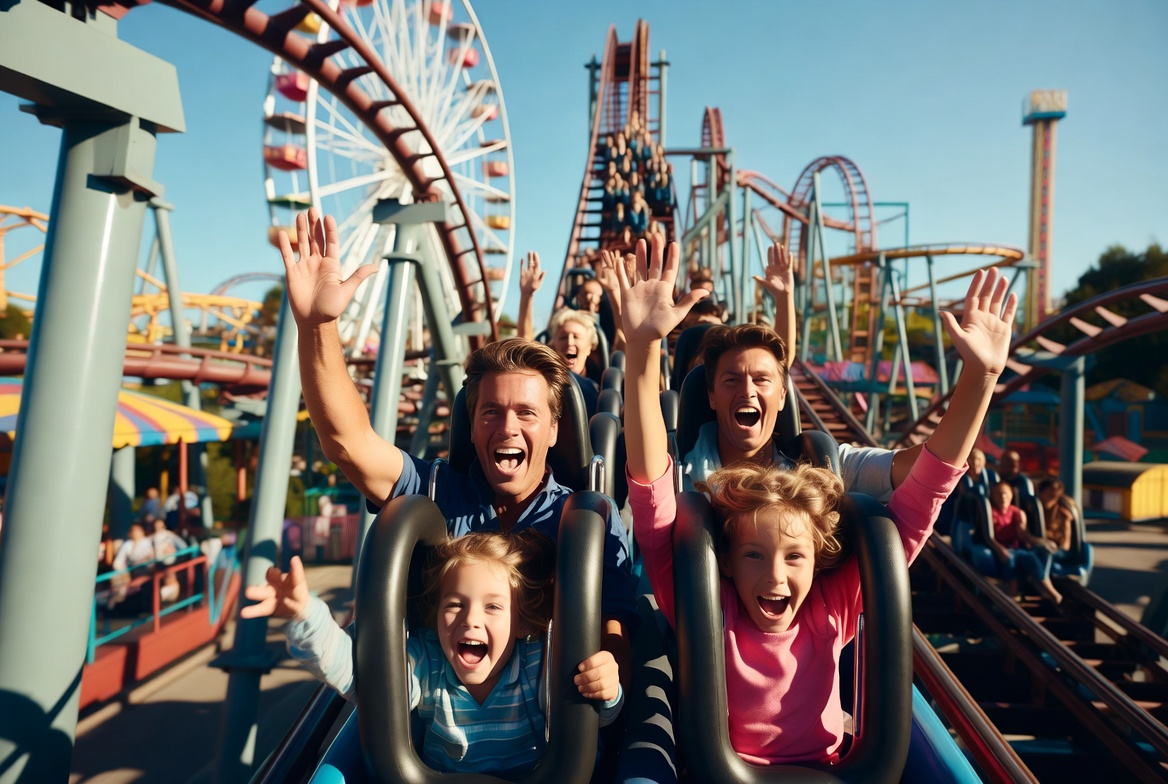
For decades, the theme park photo op has followed the same tired script: a guest steps off a ride, waits in a crowded line, gets handed a printed photo they didn’t ask for, and decides whether $25 is worth a slightly blurry picture of themselves screaming on a roller coaster. That model hasn’t meaningfully changed since the 1990s — even as everything else about the guest experience has been transformed by technology. The result is a photo and merchandise operation that, at most attractions, is quietly underperforming its potential, both as a revenue stream and as a memory-making tool.
The good news is that the fix isn’t a bigger camera budget or a redesigned gift shop. It’s artificial intelligence, and specifically the kind of purpose-built AI software companies like PCInnovative have developed through their proprietary platform, ReelCraftAI™, which is already helping aquariums, amusement parks, fairs, and cruise lines rethink what a “guest photo” can actually be.
Mistake One: Treating the Photo as the Final Product
Most attractions still treat a guest photo as a static, one-and-done deliverable — snap it, print it, sell it, move on. That approach ignores the fact that today’s guests are conditioned by social media to expect motion, not just stills. A photo competes for attention on a phone screen against video content constantly; a short cinematic clip simply performs better, gets shared more, and creates a stronger emotional pull to purchase.
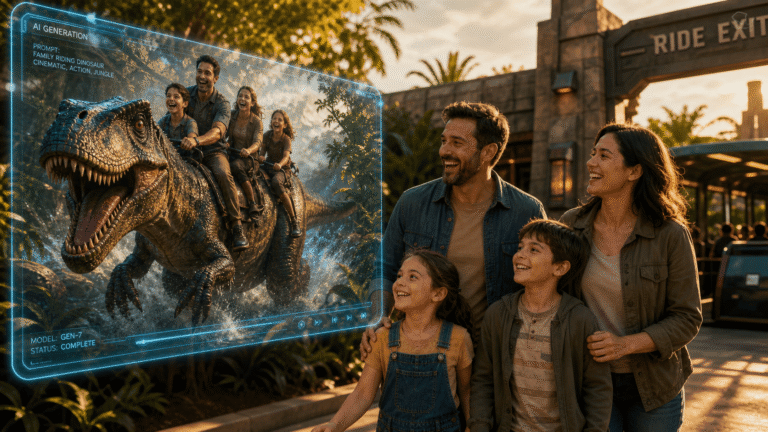
This is precisely the gap ReelCraftAI™ was built to close. Instead of stopping at a printed photo, the platform takes a single guest photo and, using a proprietary system built on five coordinated large language models, generates a fully rendered 10-second cinematic video alongside six themed photos and a realistic bonus image — all from that one original capture. A family that rode a dinosaur-themed attraction doesn’t just get a photo of themselves smiling; they get a short film of themselves appearing to ride an actual dinosaur, or floating through space alongside aliens, depending on the attraction’s theme.
Mistake Two: Overcomplicating the Employee Workflow
A huge, underdiscussed reason theme park photo programs underperform is operational friction. Complicated software that requires trained technicians, long processing queues, or multi-step editing workflows means frontline staff either avoid using the tools altogether or use them inconsistently, leading to a wildly uneven guest experience from one photo booth to the next.
PCInnovative designed ReelCraftAI™ specifically to solve this. The platform’s pre-scripted prompts are hidden entirely from the front-of-house employee. A staff member uploads the guest’s photo, selects one of four video packages, and clicks a single button — the complex prompt engineering and multi-model coordination happens invisibly on the backend. What used to require a skilled editor and specialized software now takes seconds and can be operated by any trained seasonal staff member, which matters enormously for attractions that rely heavily on seasonal or part-time labor.
Mistake Three: Ignoring the Emotional Value of “the Impossible”
Traditional attraction photography captures what actually happened: a guest on a ride, a guest at an exhibit, a guest smiling for the camera. But the most memorable, most shareable content isn’t necessarily what happened — it’s what feels impossible. Riding a real dinosaur isn’t possible. Floating through deep space next to an alien isn’t possible. But a guest’s own face, convincingly placed into that exact fantasy, becomes something they want to show every person they know.
This is the core insight behind ReelCraftAI™’s four video package options: rather than documenting reality, the platform reframes the guest’s actual attraction experience into a cinematic fantasy built around that same theme. The dinosaur ride becomes a dinosaur adventure. The space exhibit becomes an intergalactic mission. That reframing is what separates a forgettable souvenir photo from content a guest is proud to post.
Mistake Four: Underestimating Turnaround Time as a Revenue Killer
Every additional minute a guest waits for a photo product to be ready is a minute closer to them losing interest, moving on to the next attraction, or simply forgetting to come back before they leave the park. Attractions that rely on manual editing or outsourced post-production routinely lose sales purely because the product wasn’t ready when the guest’s enthusiasm — and wallet — were still primed.
Because ReelCraftAI™ generates its video and photo package with a single click and no manual editing step, attractions using the platform can deliver finished cinematic content while the guest is still in the vicinity, dramatically shortening the gap between the experience and the purchase decision. That speed advantage compounds across a full operating day at high-traffic attractions like cruise ship excursions or amusement park flagship rides.
Mistake Five: Treating Every Attraction’s Photo Product the Same
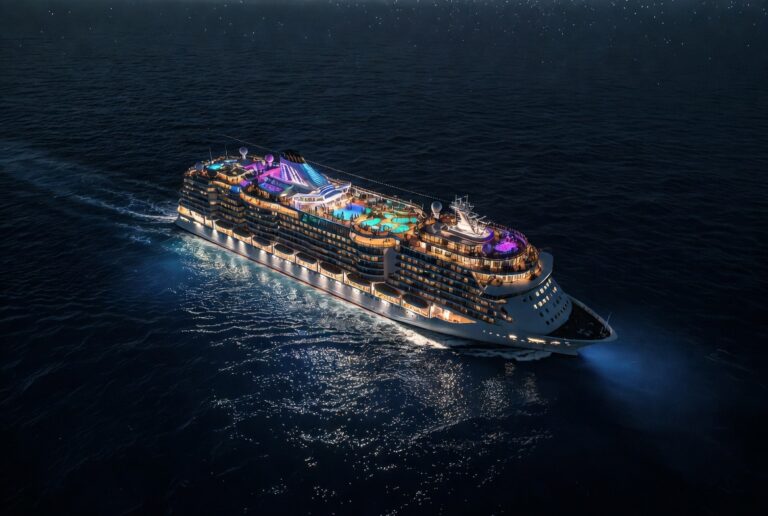
An aquarium’s underwater world, a fair’s carnival atmosphere, and a cruise line’s tropical excursion all call for entirely different visual storytelling — yet many photo vendors apply the same generic templates across every venue type. Guests notice when a photo product feels like an afterthought rather than something built for the specific attraction they just experienced.
PCInnovative built ReelCraftAI™ to be flexible across attraction categories precisely because the platform’s backend prompt system can be tailored to match a venue’s specific theme, whether that’s a dinosaur park, a space exhibit, an aquarium encounter, or a fair midway. The guest package options are customized to each attraction, meaning the “impossible” moment being created always fits naturally within that venue’s world.
Frequently Asked Questions
What is ReelCraftAI™?
ReelCraftAI™ is a proprietary AI software platform developed by PCInnovative that transforms a single guest photo taken at an attraction into a 10-second cinematic video, six themed photos, and a realistic bonus image, using a coordinated system of five large language models.
How does ReelCraftAI™ work for theme park employees?
An attraction employee uploads the guest’s photo into the ReelCraftAI™ platform, selects one of four pre-built video packages, and clicks a single button — the platform automatically generates the finished video and photo package without requiring manual editing or prompt writing.
What types of attractions use ReelCraftAI™?
ReelCraftAI™ is designed for a wide range of attraction types, including amusement parks, aquariums, fairs, and cruise lines, with customizable video packages that match each venue’s specific theme.
Does ReelCraftAI™ replace traditional attraction photography?
No. ReelCraftAI™ builds on the existing guest photo, transforming a standard photo into cinematic content rather than replacing the initial photography step.
Why is video content more effective than static photos for attractions?
Video content tends to generate more social sharing and stronger emotional engagement than static photos alone, making it a more effective driver of guest purchases and attraction brand visibility.